Tilt-Wall Construction in San Antonio, TX

Complete tilt-wall delivery from slab casting plans through panel erection and envelope sequencing.

Tilt-Wall Construction in San Antonio, TX

Concrete Contractors of San Antonio manages tilt-wall construction for commercial and institutional clients across Bexar County and the wider San Antonio metro. San Antonio is the seventh-largest city in the United States — a market with the project volume and owner expectations that demand more than a generic trade-by-trade build approach. Concrete Contractors of San Antonio delivers tilt-wall construction for distribution, retail, and light industrial buildings across Bexar County. San Antonio's position on the I-35, I-10, and I-37 logistics corridors drives ongoing demand for high-clear, tilt-wall distribution centers in the Live Oak, Selma, and Schertz submarkets. We manage casting layout, crane access planning, and panel erection sequencing on sites where COSA Development Services permitting and CPS Energy utility coordination run in parallel. Each project is built around the specific geotech — whether that is Bexar County clay requiring moisture-conditioned subgrade or Hill Country limestone near Loop 1604 that demands a different slab design entirely. We structure each assignment around the site, the permit path, and the specific market forces shaping the San Antonio concrete trade right now, not around a template built for a different city.

San Antonio's concrete demand is unusually diverse. Multi-generational Hispanic families commissioning decorative patios, casita slabs, and Saltillo-adjacent courtyards represent one segment. Premium estate concrete in Stone Oak, Sonterra, and Cordillera Ranch — cantera-stone adjacency with stamped and exposed-aggregate finish expectations — represents another. JBSA's four installations drive precision concrete for barracks pads, access roads, and utility aprons. USAA headquarters, Valero Energy's corporate campus, and the Pearl Brewery and River Walk adaptive-reuse district add commercial and historic-preservation scopes requiring different mix designs, finish standards, and phasing protocols. Understanding which category a project falls into — and planning accordingly — is how we avoid the mismatch between what an owner expects and what a generic concrete crew delivers.

Bexar County's geotech is not uniform. Hill Country limestone outcrops north of Loop 1604 near Helotes, Bulverde, and Fair Oaks Ranch mean shallow rock and different foundation approaches than the expansive clay active in the city's central and south sides. Glen Rose marl in the northwest metro compresses under load in ways that require engineered slab reinforcement calibrated for that specific formation. The Edwards Aquifer Authority's impermeable-cover restrictions on recharge zone sites add a regulatory dimension to concrete planning that doesn't apply in most Texas markets. We address all of that in preconstruction — when decisions are still inexpensive — not after the pour is in the ground.

START YOUR PROJECT

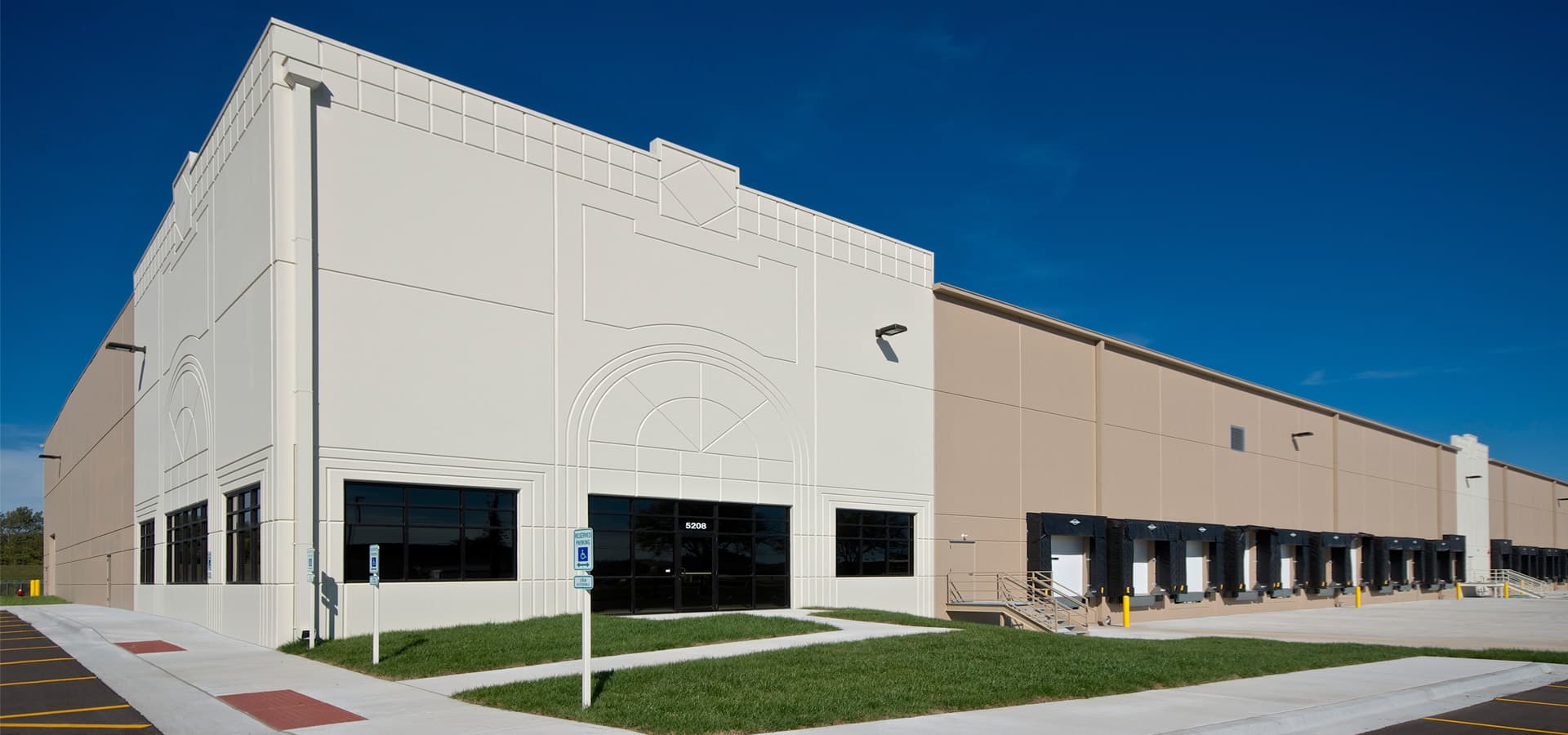
Tilt-Wall Construction scope coordination

How We Organize The Work

Planning for tilt-wall construction in San Antonio requires coordinating the concrete scope with the City of San Antonio's Development Services permit timeline, utility tie-in requirements from CPS Energy and SAWS, and any EAA impervious-cover limits that apply to the site. Pre-application meetings with COSA Development Services are available for larger commercial projects and consistently reduce downstream review delays. We take advantage of that process on jobs where the schedule can absorb the front-end investment. In practice, that means owners and their design teams get a permitting roadmap before any contractor mobilizes, which avoids the situation where concrete is poured to a plan that doesn't yet have a final approval.

The scope for tilt-wall construction — covering panel engineering coordination and casting layout, brace planning, lift sequencing, and crane access, embedded plate and opening coordination, envelope tie-ins with structural steel and roof framing — is a dependencies map as much as a task list. Each element affects the sequence for the one behind it. Slab subgrade moisture conditioning in Bexar County clay has to be verified before pour day, not assumed to be adequate. Panel casting sequences for tilt-wall projects need crane access planning that accounts for Loop 410 and Loop 1604 corridor traffic patterns during delivery windows. Decorative concrete work for River Walk-adjacent and King William historic-district projects follows COSA's historic design review process, which runs on a different clock than standard building permits. We surface those dependencies in the planning phase and build them into the schedule as fixed checkpoints rather than surprises.

Scope Included

The list below is how the field plan gets translated into actual production milestones. Each item affects access, sequencing, and the amount of coordination needed with the rest of the project team.

  • Panel engineering coordination and casting layout
  • Brace planning, lift sequencing, and crane access
  • Embedded plate and opening coordination
  • Envelope tie-ins with structural steel and roof framing

Execution Process

The process is intentionally structured so the team can move from planning into field execution without losing sight of the next dependency. That keeps the project calm even when schedules get tight.

01

Preconstruction model review with structural team

02

Site logistics planning around slab and panel zones

03

Panel casting, cure control, and quality checks

04

Lift day execution with safety and trade coordination

Why The Local Context Matters

The local fit for tilt-wall construction in San Antonio comes down to understanding which version of the market a given project sits in. NEISD, NISD, and Alamo Heights ISD capital programs for athletic and facility concrete follow school district procurement rules and summer-schedule constraints that differ from private commercial work. Methodist Healthcare, Baptist Health System, and University Hospital medical concrete projects require infection-control-aware logistics and phased turnover around clinical operations. UTSA, Trinity University, UIW, and St. Mary's institutional concrete programs have their own planning rhythms tied to academic calendars and donor-funding timelines. None of those contexts are interchangeable, and we don't treat them that way.

The UNESCO Mission Trail corridor — Mission Concepción, Mission San José, Mission San Juan, Mission Espada — and the HemisFair Park and Tower of the Americas district impose historic-review and design-compatibility requirements on concrete work in and around those sites. Nearby residential and commercial projects also face contextual expectations from the community that a purely utilitarian approach to flatwork, curbing, or decorative elements won't satisfy. Concrete Contractors of San Antonio has delivered scopes adjacent to these corridors and understands the review process, the finish standards, and the community stakeholder dynamics that make that work different from a standard commercial slab pour.

Industries We Support With Tilt-Wall Construction

Our tilt-wall construction capabilities serve a wide range of commercial and industrial sectors across San Antonio and the surrounding TX region. Whether you are developing logistics infrastructure, healthcare facilities, retail centers, or manufacturing operations, our team adapts the execution plan to meet your industry's unique scheduling and compliance demands.

We have delivered concrete construction scopes for distribution operators, national retailers, healthcare systems, educational institutions, hospitality developers, and municipal agencies throughout the greater San Antonio metro. Each sector brings different inspection protocols, phasing requirements, and stakeholder expectations — and our experience across all of them gives us the adaptability to deliver consistent results.

Tilt-Wall Construction project in San Antonio

Tilt-Wall Construction Service Area Coverage in TX

Concrete Contractors of San Antonio supports tilt-wall construction projects throughout San Antonio and nearby markets where industrial and commercial growth is active. Our regional footprint covers key logistics corridors, emerging commercial nodes, and established industrial districts across the greater San Antonio metropolitan area.

Related Services

Execution And Closeout

Field execution on San Antonio concrete projects is affected by heat, soil variability, and the compressed geometry of urban work zones in ways that require active management rather than passive observation. Pour days from May through September require evaporation retarder application, concrete temperature monitoring at the truck, and curing protocols that begin within minutes of finishing. Crew heat-stress management is part of the site safety plan, not an afterthought — San Antonio's combination of high ambient temperature and direct sun exposure on concrete flatwork creates real physiological risk for crews working extended pour days.

For owners, the most reliable indicator that a concrete project is on track is not just that placement is happening. It is that the next pour zone is planned, the next inspection hold point is scheduled, and the quality of what was placed yesterday has been verified before the next phase begins. We build that discipline into the field plan by connecting daily production to the broader milestone structure, then validating that the completed work actually supports what comes next. When that practice is consistent, the schedule stays manageable even when multiple zones are active simultaneously across a large commercial footprint.

Closeout on San Antonio concrete work requires attention to tolerances, joint performance, and surface finish quality that affects long-term use. High-load commercial slabs for distribution and logistics operations need F-number or straightedge verification before any rack system is installed. Decorative flatwork and specialty finish applications — stamped concrete, exposed aggregate, broom-finish with integral color — need punch inspection under the same lighting conditions the end user will see. We treat closeout as a production phase with its own schedule and inspection criteria, not as a list of items to resolve after the crew has already moved on to the next project. That approach is how concrete work in San Antonio avoids the callback cycle that damages both project economics and professional relationships.

Frequently Asked Questions

These are the kinds of questions owners and developers usually ask before they release the job into the field.

How early should we involve Concrete Contractors of San Antonio for Tilt-Wall Construction?

Early preconstruction involvement is best. It allows utility conflicts, logistics constraints, and schedule dependencies to be resolved before field crews mobilize.

Can this scope be phased around active operations in San Antonio?

Yes. We commonly build phased plans that separate work areas, maintain access paths, and sequence disruptive operations during agreed windows.

Do you coordinate permits and inspection milestones?

Yes. We map permitting and inspection checkpoints to the construction schedule so critical path scopes do not stall in the field.

What does schedule reporting look like?

Owners receive clear weekly updates with completed milestones, upcoming work, procurement status, and active risk items with mitigation actions.

Can this service be bundled with other construction scopes?

Yes. We regularly integrate civil, structural, and tenant-readiness scopes under one coordinated execution plan.

Next Step

Share your scope details on our contact page. We will review your timeline, location, and service requirements and provide a practical path forward.

LET'S PARTNER